

The Lights Are Still On
for the elder daughters who can always come home

In every house, there’s someone who keeps the lights on. Not the switches — the house. The one who notices what’s running low, who feels the temperature of a room change before anyone speaks, who stays half-awake, always, in case something is needed.
In most houses, it’s a girl. The first one.
You were the first. Which meant you were never only a child.
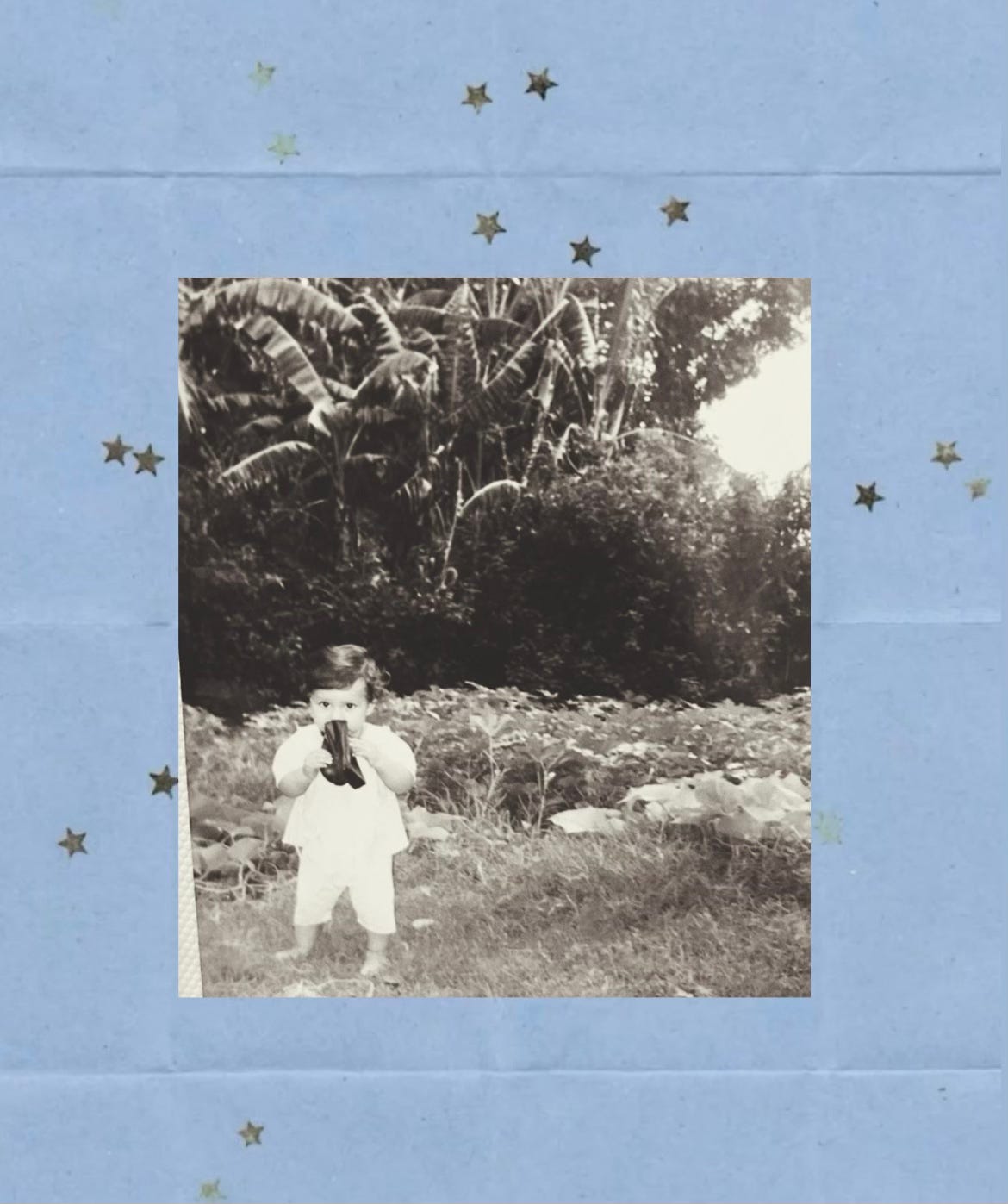
You learned to read a room before you learned to read. You learned to soften things between the adults even when no one asked you to — you could have stayed out of it, and you never did, because somewhere you understood that keeping the peace had quietly become your job.
You shielded the younger ones. And still, somehow, you were the one called the worst — held to a standard no one else in the house had to meet, expected to set the example, expected to win, so that even your failures felt like you’d let everyone down.
Here is the contradiction you were raised inside, the one that still doesn’t quite make sense to you.
You were called mature your whole childhood. Responsible. Capable. Wise beyond your years. Trusted to hold the entire family together. And then you grew up — and somewhere along the way, the same people started calling you immature. Irresponsible. Too much.
At sixteen, at twenty, at twenty-five, you’d be reminded of your age and everything that was supposed to come with it — you’re the eldest, act like it — and in the same breath, the moment you faltered, told to grow up, stop being childish, and then we’ll talk. Capable of running the whole household. Behaving like a child. Both, apparently, at once.
And when you cried — because you were the one who cried too easily — you heard the same sentence at sixteen that you’d hear again at twenty-five: weak children don’t cry. The message underneath never changed: whatever you’re feeling, don’t.
So you didn’t. You got very, very good at not.
And here is the part no one warns you about. All that care you carried — it doesn’t just stay soft. Held too long, unacknowledged, it curdles. Some days it turns into something that looks a lot like rage.
Is it just me, you wonder, on those days, or does every eldest daughter feel this?
It’s not just you. It’s so many of us it should have a name.
What makes it worse is that you can’t seem to stop. You can’t detach. You can’t stop performing the role even when it’s exhausting you, even when you know exactly what it costs. The people who mean well say just set a boundary, just let it go — as if you could undo in an afternoon a script you’ve been running for years. It takes time to rewrite a story you’ve told your whole life. And you feel, always, like you’re running out of it.
And here is the cruelest turn. The moment you finally do let something show — the moment you’re vulnerable, honest, human — that’s often the moment the relationship strains. You’re not emotionally mature enough for this. Really? You, who held everyone? The one who was too mature at ten is somehow too immature at twenty-five — the second she stops performing. That’s the price of always performing: the performance is the only version of you they know how to love.
So let me stop here, and say the thing to you that no one thought to say.
You were not too much. You were a child handed something too heavy, who carried it so well that everyone forgot it was heavy at all. That isn’t a flaw in you. That’s a debt the people around you never repaid.
And I won’t lie to you and say it’s easy from here. You’ll pick the weight back up a hundred times out of pure habit — reach for it before you even notice your hands moving, because years of being the strong one doesn’t dissolve in an afternoon. The script is old. It runs on its own. Undoing it is slow, unglamorous, two-steps-back kind of work. But slow is not the same as impossible. And you are allowed to begin.
You’re allowed to cry without apologising for the weather it makes in the room. You’re allowed to be tired out loud. You’re allowed to disappoint someone and survive it — to watch the thing you were sure would collapse the moment you stopped holding it, wobble, and stay standing. It was never all resting on you. They just let you believe it was, because it was easier than helping you carry it.
You’ve been the one keeping the lights on your whole life — in every room, for every person, in every house you’ve ever loved. Half-awake, always, in case something was needed.
But somewhere, there’s a light on that you didn’t switch on. A window glowing on a street you haven’t walked up yet, in a house — real, or still on its way to you — where nobody hands you a list at the door.
So — may you. May you find that room. May you be loved on a day you produced nothing, fixed nothing, held nothing — and feel it land as love anyway. May you learn, slower than you’d like, that you can set it down and the people who are truly yours will still be there when your hands are empty. May the ones who only loved the performance fall quietly away, and may it hurt less than you feared. May you stop being the light in everyone else’s window long enough to notice someone left one on for you.
Because someone did. Maybe not everyone. But someone, somewhere, is waiting up — not because they need something from you, but because you’re theirs, and you’re coming, and that was always reason enough.
The lights are still on. They were always on. You don’t have to earn your way in. You can come home now.
If you like reading Letter From June and if this newsletter has been valuable to you, I would love it if you consider recommending it to your readers.
Dashboard →Recommendations→Manage→ Add recommendation→ Letter From June

Who’s writing to you:
I’m Sanskriti. I write Letter from June—quiet, personal essays on the strange beauty of ordinary days.
Every newsletter I’ve ever loved felt like a letter written just for me; I hope this one does that for you. Some weeks a finished piece, some weeks something still figuring itself out.
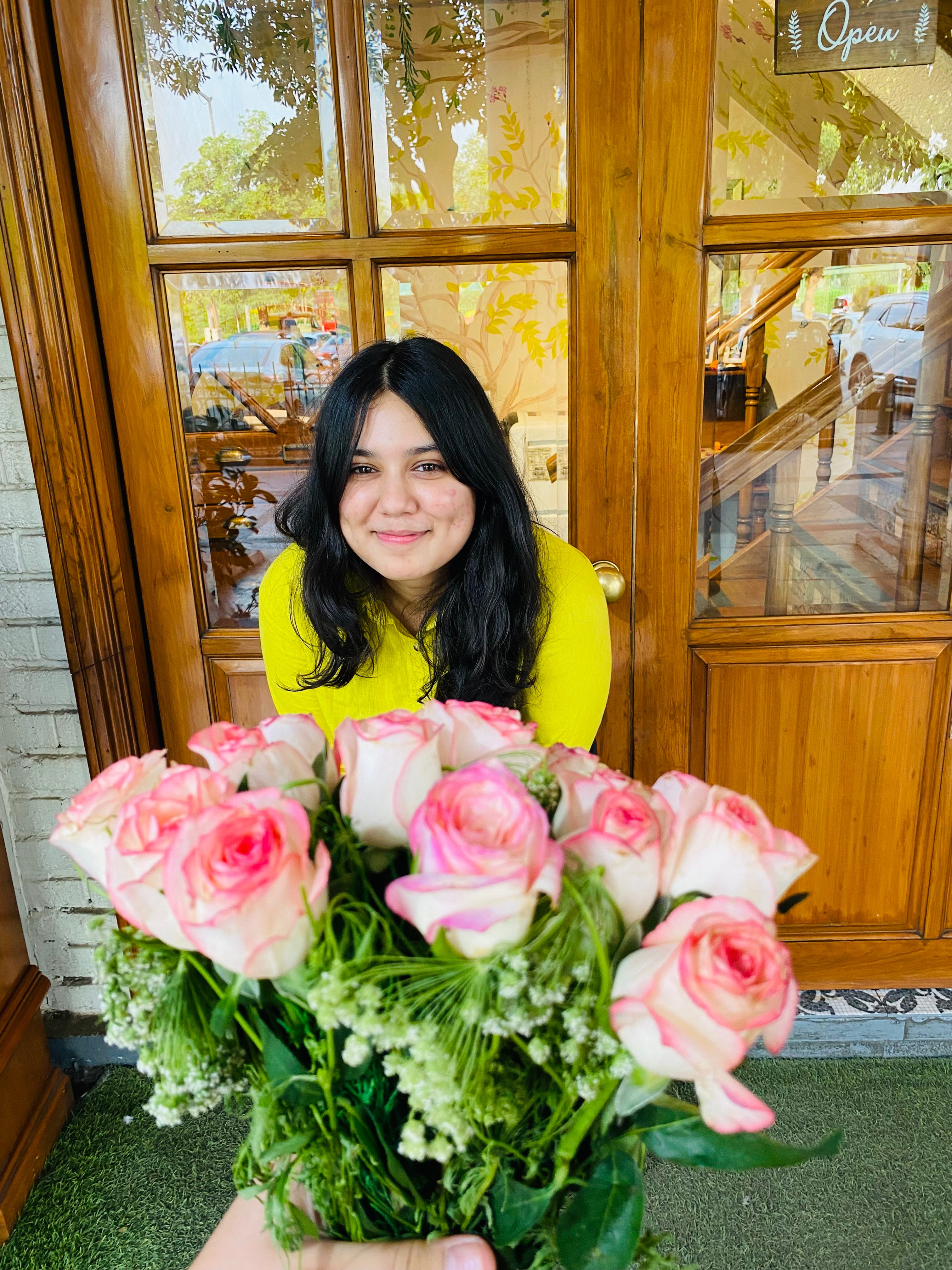
Thank you so much for being here. I shall write to you soon. ♡

We are always so bogged down fulfilling everyone's needs that we forget ours, we are the ones who does keep the lights on in the house yet we get mistreated for being "childish" such is the dilemma of being the most mature yet the most immature in the eyes of most people out there and that sucks and really hurts within the inner depths of the heart.
Relatable at all levels